
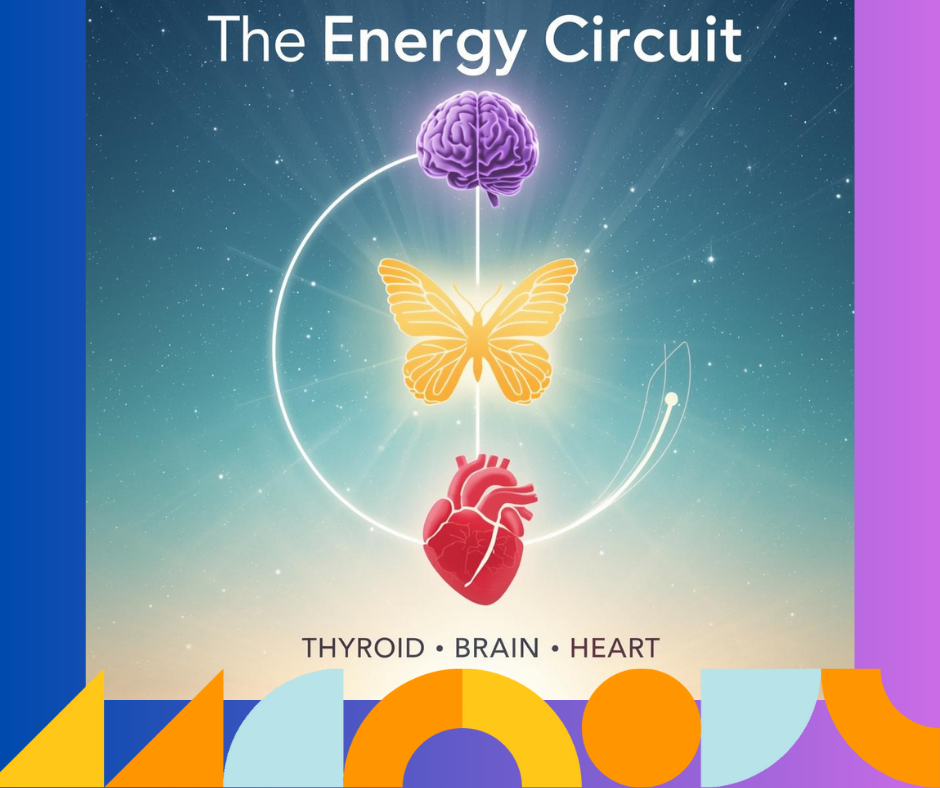
When people talk about energy, they usually think about sleep, food, or motivation. But real, sustainable energy is created by an internal power grid — a living network that links your thyroid, brain, and heart.
These three organs don’t work in isolation. They communicate constantly through hormones, electrical signals, and blood flow. Together, they determine how much cellular energy you produce, how clearly you think, how steady your emotions are, how strong your heartbeat is, and how resilient your nervous system feels under stress.
When this power grid is synchronized, energy flows smoothly.
When it’s disrupted, fatigue, brain fog, anxiety, palpitations, and low stamina often appear together.
The Thyroid: The Voltage Regulator
Your thyroid acts like the voltage control center for your entire body. Thyroid hormones (T3 and T4) regulate:
• Mitochondrial ATP production
• Oxygen utilization
• Heat generation
• Speed of nerve signaling
• Neurotransmitter sensitivity
• Strength and rhythm of heart contractions
Every cell depends on thyroid hormone to determine how much energy it can produce and how efficiently it can use fuel. When thyroid signaling is low or poorly converted, cells operate in a low-power mode. This can feel like sluggish thinking, cold sensitivity, emotional flatness, poor exercise tolerance, and a constant sense of being “drained.”
The thyroid doesn’t just affect metabolism — it sets the electrical and metabolic voltage of the entire system.
The Brain: The Command and Control Center
The brain both directs and interprets energy. Through the hypothalamus and pituitary, it regulates thyroid output. In return, thyroid hormones influence:
• Dopamine and serotonin balance
• Cognitive speed and focus
• Memory and learning
• Autonomic nervous system tone
• Stress response
• Emotional regulation
Low or unstable thyroid signaling reduces glucose uptake in brain tissue and alters neurotransmitter activity. This can manifest as:
• Brain fog
• Anxiety or depression
• Poor concentration
• Sensory overload
• Reduced stress tolerance
Energy is not only produced in the body — it is perceived in the brain. When neural metabolism slows, life feels harder, heavier, and less vibrant.
The Heart: The Power Distributor
Your heart is one of the most thyroid-sensitive organs in your body. Thyroid hormones directly regulate:
• Heart rate
• Cardiac output
• Strength of contraction
• Vascular tone
• Blood pressure
• Oxygen delivery to the brain and muscles
When thyroid signaling is optimal, circulation is strong and efficient, ensuring that oxygen, glucose, and hormones reach every tissue. When thyroid function is low or fluctuating, the heart may pump less effectively or rhythm may become unstable, leading to:
• Palpitations
• Exercise intolerance
• Dizziness
• Shortness of breath
• Low endurance
This is why thyroid imbalance often feels cardiovascular before it shows clearly on lab work.
The Integrated Power Grid
These systems form a continuous feedback loop:
The brain signals the thyroid.
The thyroid sets cellular energy output.
The heart distributes fuel and oxygen.
The brain senses the result and adjusts the signal.
If thyroid output drops:
• Mitochondrial energy production falls
• Heart output weakens
• Cerebral blood flow declines
• Neurotransmitter balance shifts
• Perceived energy drops
If chronic stress dysregulates brain signaling:
• TSH rhythms alter
• T4-to-T3 conversion declines
• Autonomic balance shifts
• Heart rate variability decreases
If circulation is impaired:
• Thyroid hormone delivery to tissues slows
• Brain oxygenation drops
• Cellular voltage becomes unstable
Fatigue, anxiety, mood changes, and palpitations are not separate problems — they are expressions of one disrupted energy communication network.
Why This Matters for Everyday Vitality
When the thyroid–brain–heart power grid is strained, people may experience:
• Chronic fatigue
• Brain fog
• Anxiety or low mood
• Heart rhythm changes
• Poor exercise recovery
• Cold intolerance
• Low motivation
• Sleep disruption
• Reduced stress resilience
These symptoms often coexist because they arise from the same underlying issue: impaired energy generation, signaling, and distribution.
Supporting the Power Grid
Restoring real energy means supporting all three components:
Thyroid Support
• Adequate iodine, selenium, and zinc
• Stable blood sugar
• Reduced endocrine disruptors
• Anti-inflammatory nutrition
Brain Support
• Omega-3 fatty acids
• Magnesium and B-vitamins
• Quality sleep
• Nervous system regulation
Heart Support
• CoQ10
• Potassium and magnesium
• Aerobic movement
• Nitric-oxide-supporting foods (beets, leafy greens)
When thyroid hormone signaling strengthens, the brain becomes clearer and the heart pumps more efficiently. When circulation improves, thyroid hormone delivery and brain oxygenation increase. When the nervous system calms, hormonal rhythms stabilize.
This is the biology of feeling alert, emotionally steady, mentally sharp, and physically resilient.
The Big Picture
Energy is not just calories or willpower.
It is electrical, hormonal, neurological, and circulatory.
The thyroid sets the voltage.
The brain directs the signal.
The heart delivers the current.
When this power grid is coherent, your entire system operates with clarity, strength, and endurance. This is not simply hormone balance — it is whole-body energy alignment.
References
-
Brent GA. Mechanisms of thyroid hormone action. Journal of Clinical Investigation.
-
Bernal J. Thyroid hormones in brain development and adult brain function. Endocrine Reviews.
-
Klein I, Danzi S. Thyroid disease and the heart. Circulation.
-
Fliers E, et al. Thyroid hormone regulation of the central nervous system. Nature Reviews Endocrinology.
-
McAninch EA, Bianco AC. Thyroid hormone signaling in energy metabolism. Endocrinology.
-
Duntas LH, Brenta G. The effect of thyroid disorders on cardiovascular function. Clinical Endocrinology.
-
National Institutes of Health (NIDDK, NINDS). Thyroid hormones and neural metabolism.
-
American Heart Association. Thyroid function and cardiac performance.